


On December 18, Margaret Marsilla called her son to say she had given up on trying to stop a doctor from killing him. “I already stopped you once,” she said. “I’m not going to do it again. I don’t want you to keep hating me, so I’m not going to come there.”
Marsilla had just learned that her 26-year-old son, Kiano Vafaeian, was approved for “medical assistance in dying” (MAID), Canada’s government-run assisted-suicide regime. He was blind, struggling with complications from type 1 diabetes, and living in public housing in Toronto. He also suffered from depression.
Vafaeian was not terminally ill—and did not need to be to end his own life. In Canada, MAID patients must show only that they have a condition that is “intolerable” and cannot “be relieved under conditions that they consider acceptable.” These people often feel beset by enduring illness, unresolved social hardship, and other afflictions, all of which blur the line between medical suffering and the hardships of daily life itself.
I met Vafaeian three years ago, after his mother accidentally found an email that laid out the scheduled date, time, and location of his assisted suicide—just two weeks before it was set to take place at a Toronto facility called MAiDHouse. Shocked, she called the doctor and pretended to be a woman seeking MAID. She recorded the conversation and sent me the tape. The doctor postponed Vafaeian’s scheduled killing, then said he wasn’t going through with it, without explanation.
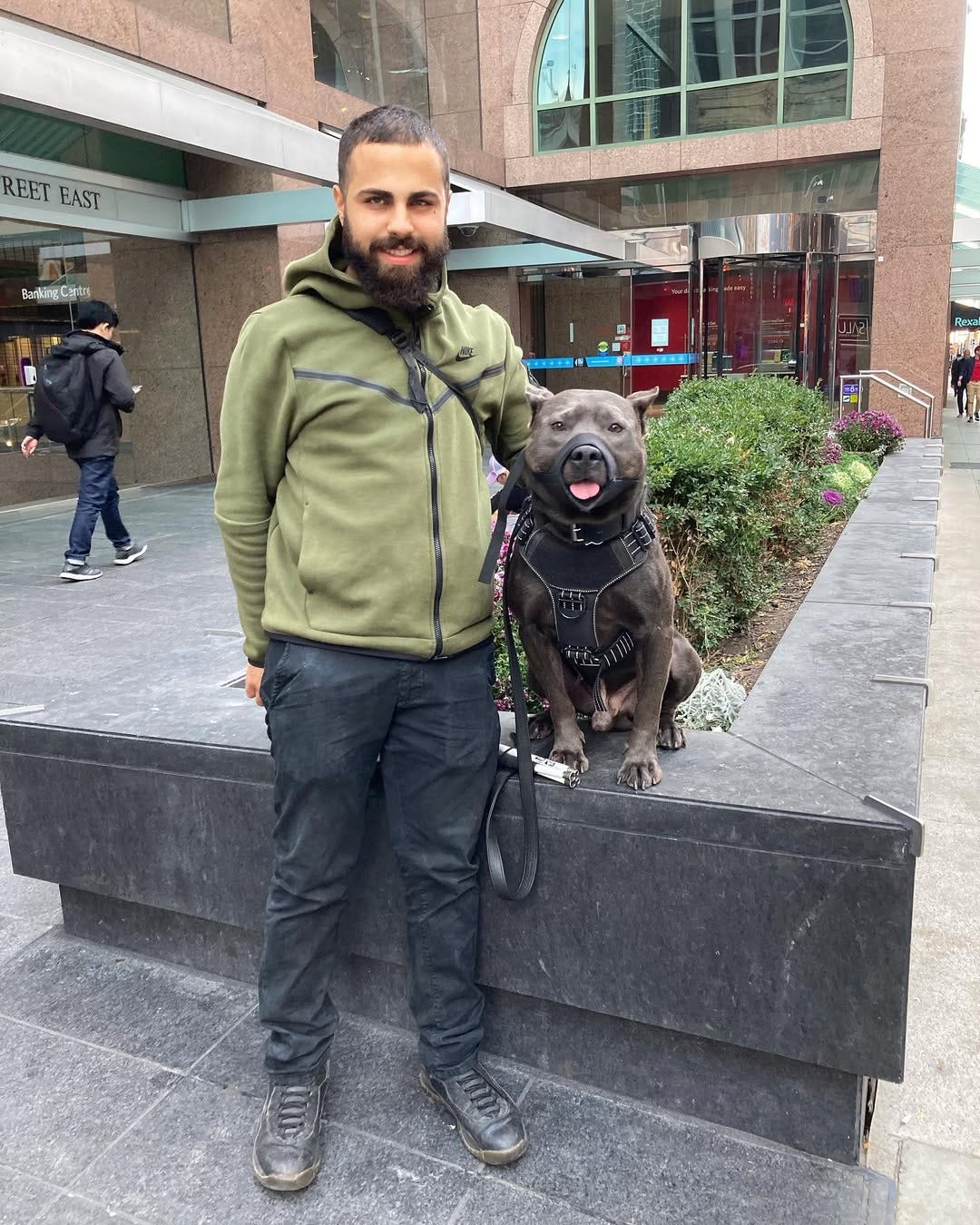
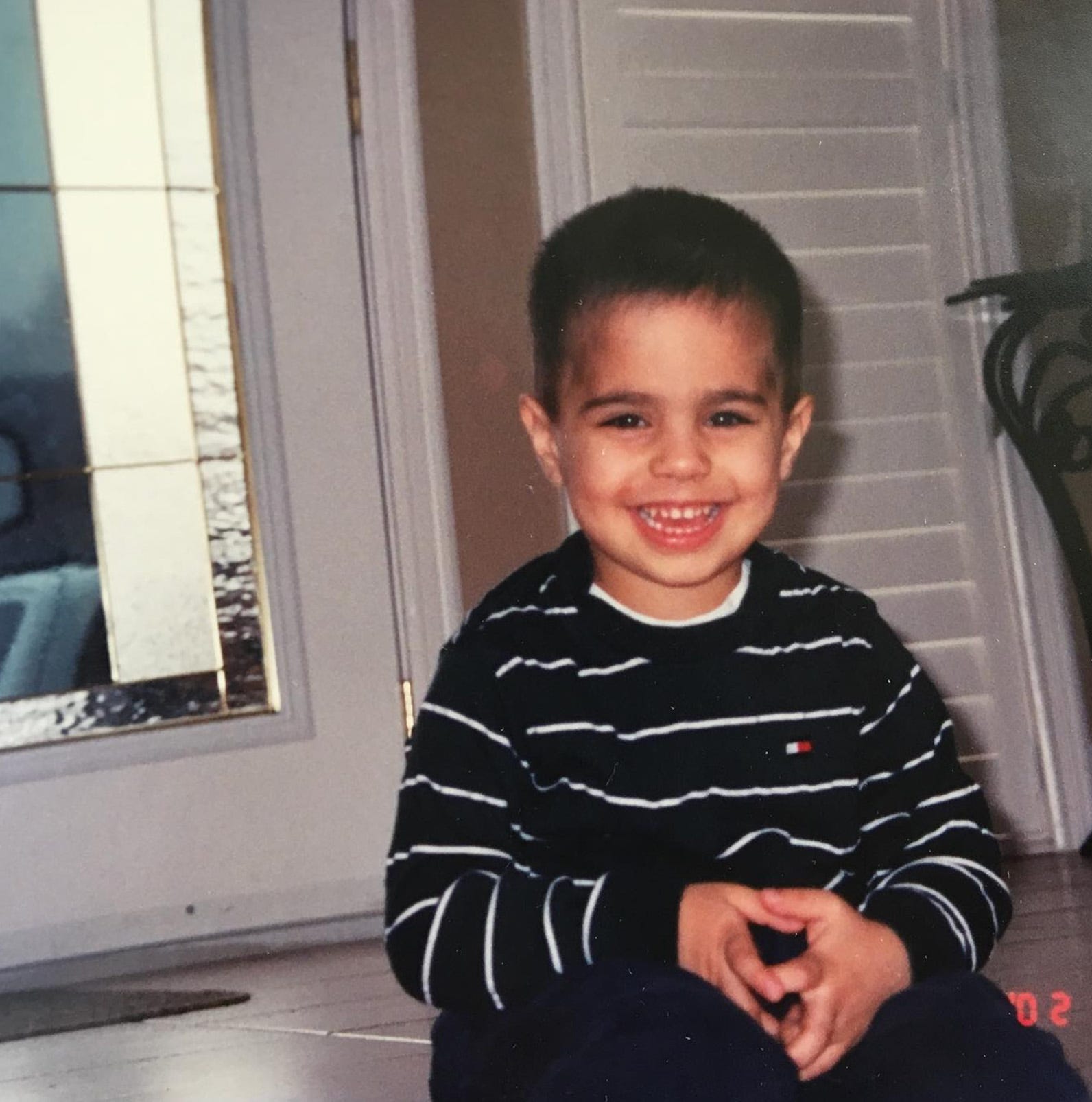
Vafaeian was furious at his mother, telling me that she had violated his right as an adult to choose death. We stayed in touch for about two years, and he often talked about getting back at her. He also talked about coming to visit me in Ottawa, and I promised to track him down in Toronto someday. He was bright, curious, and funny, with a beautiful smile that immediately put you at ease. He also never gave up on wanting to die.
In 2015, Canada’s Supreme Court ruled that assisted suicide is constitutional. The country now has one of the highest rates of medically assisted death in the world: 5.1 percent, or a total of 16,499 deaths in 2024, the latest year for which figures are available. That is not much lower than the Netherlands, where 5.8 percent of all deaths in the same year were by euthanasia. Assisted-death programs in the United States are rare and small. In Oregon, one of the 12 U.S. states where it is legal, assisted suicide accounted for 0.9 percent of 2024 deaths.
About 95 percent of MAID deaths in Canada involve people who were able to convince the provincial governments that administer the program that their death was “reasonably foreseeable.” But eligibility was widened in 2021 to the “intolerable” standard.
Sonu Gaind, a University of Toronto psychiatry professor, told me that the fastest-growing category in the country’s MAID statistics is not cancer, heart disease, or any specific illness. It is a catch-all labeled as “other.” MAID deaths in the “other” category nearly doubled to 4,255 in 2023 from a year earlier, adding up to 28 percent of all assisted-suicide deaths, Gaind’s research found.
When I told Gaind about Vafaeian and what he had been through, Gaind responded: “I’m not denying his suffering, but it doesn’t paint a picture of someone who is constantly suffering. That contradiction should trouble people.”
He said that Canada’s assisted-suicide system “has been set up so that if the person says their suffering is intolerable, assessors will say, ‘Who am I to question that?’ ”

The last time I heard from Vafaeian was in April 2024, just days after I wrote about Zoraya ter Beek, 28, a Dutch woman who was tired of living with depression, autism, and a personality disorder. The Dutch government allowed her to be euthanized. Vafaeian told me that he understood why ter Beek felt the way that she did. He also wanted to have a longer conversation about suing his mother and finding a doctor who would agree to help him with MAID, but we never had that conversation. Before long, Vafaeian reentered the MAID process, this time in British Columbia, where one report indicates assisted suicides were 6.7 percent of all deaths in 2024.
Marsilla, his mother, told me that she thought her son was doing well. Their strained relationship seemed to be on the mend, and she set him up in September with a fully furnished condominium near her office in Toronto, including a live-in caregiver. Marsilla also drafted a written agreement promising him $4,000 a month in financial support. They went out for dinner to celebrate the plan. He signed the agreement, she said, and talked about moving in before winter.
Vafaeian texted her afterward to say that he was “looking forward to a new chapter.” He asked for help paying down his debts, and told his mother that he was saving her money so they could travel together. He flew to New York City to buy a pair of newly released Meta Ray-Ban glasses, praised by some people as a breakthrough for those who are blind. Marsilla was uneasy about him traveling alone, but he texted her photos and videos of the glasses. Then he admitted that he was afraid to use them, worried they wouldn’t work, and thought he had wasted her money.
“God has sealed a great pair for you,” she told him.
“I know God protects me,” he wrote back.
In October, she bought Vafaeian a gym membership and 30 personal training sessions, all of which he used. “He was so happy that he was working out and getting healthy,” she told me. Then, abruptly, he walked away from all of it: the condo, the caregiver, the money. “Something snapped in his head,” Marsilla told me.
He was bright, curious, and funny, with a beautiful smile that immediately put you at ease. He also never gave up on wanting to die.
On December 15, Vafaeian checked into a luxury resort in Mexico. On Instagram, he posted photos of himself posing with staff at the resort’s El Detalle restaurant—smiling, relaxed, and seemingly at ease. A concierge who remembered Vafaeian said that he seemed happy. He asked his mother to join him, but she said no. After two nights, he checked out and flew to Vancouver.
Three days later, a text message from Vafaeian to his mother delivered stunning news: He was scheduled to die by MAID the next day. He told his sister Victoria that if any family members wanted to be there when it happened, they should catch the last flight from Toronto. “We were obviously freaking out,” his mother told me. She said that she criticized him for “throwing this on us now—right before Christmas,” and then asked: “What’s wrong with you?
Vafaeian said that her son told them he had asked for security to be present if they showed up at the MAID facility in Vancouver to try to stop him. She took it as a sign that he was wavering about ending his life. She thought the same thing when Vafaeian told his mother the next day that his assisted suicide had been postponed by “paperwork.”
Marsilla urged him to come home to Toronto, offered to buy him a plane ticket, and told him that she was praying for him and had Christmas gifts waiting. He refused. “No, I’m staying here. I’m going to get euthanized,” he said, according to Marsilla.

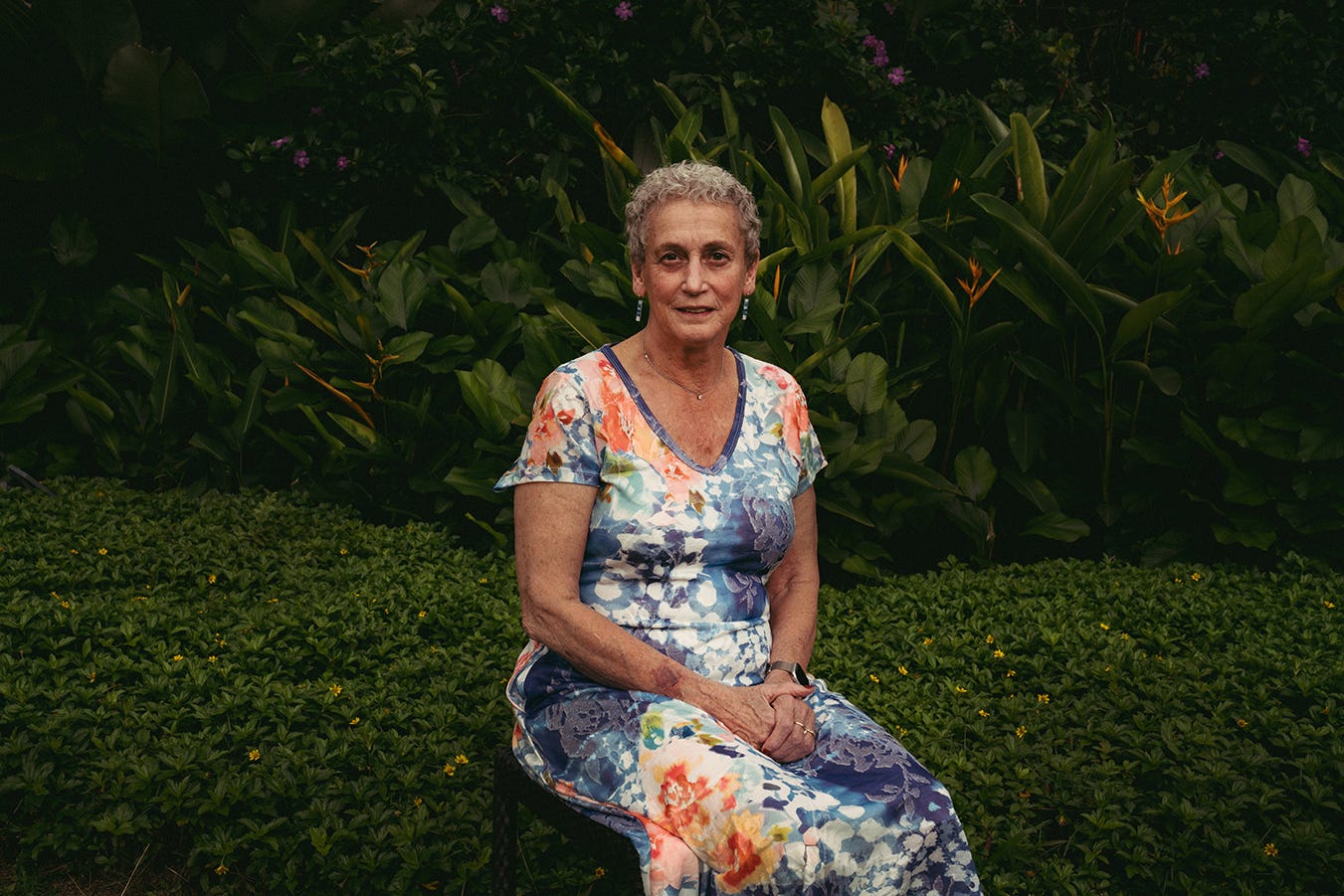
Vafaeian did not tell his mother or sister the name of the doctor who was going to kill him. Her name is Ellen Wiebe, and she is one of Canada’s most prolific practitioners of assisted suicide. Half of her medical practice is devoted to MAID, and the other half to abortion, contraception care, and delivering newborn babies. “I’ve brought more than 1,000 babies into the world, and. . . I have helped more than 500 patients die,” she told me with a laugh during a video call.
Wiebe has described assisted dying as “the best work I’ve ever done” and “incredibly rewarding.” I asked her what she meant when she said in 2018 that she provides “what is right up to the edge of the law, and never beyond, of course,” but “beyond where some providers would work.” She replied: “I have a very strong, passionate desire for human rights. I’m willing to take risks for human rights, as I do for abortion.”
She would not confirm that she was Vafaeian’s doctor but I asked her about a case like his. Would going on vacation or to the gym, paying off debt, saving money, or other signs of looking toward the future weaken her confidence in a patient’s request to die?
“No,” she replied without hesitation. Then she began talking about blindness, even though I had not mentioned it. “Just because it’s worth living for somebody who is blind doesn’t mean life is worth living for someone else who is blind,” Wiebe told me. How could she be so certain? She said: “We have long, fascinating conversations about what makes their life worth living—and how you make the decision when it’s been enough.”
Wiebe, who has used a wheelchair for 34 years, firmly rejected the argument that disability itself should not qualify someone for assisted death. “People will say quadriplegics can be happy, that their suffering isn’t intolerable,” she told me. “But the person themselves has to decide: Is this intolerable to me?”
David Lepofsky, a blind lawyer and disability-rights advocate in Toronto, said that focusing on suffering rather than pain invites broad, subjective interpretations—and that the MAID process lacks any independent safeguards before death is delivered. “Blindness doesn’t cause pain,” Lepofsky said. “Millions of us live good, independent lives.”
Trudo Lemmens, a professor of law and bioethics at the University of Toronto, met Vafaeian in 2022 at an event shortly after my article about him was published. The seminar was attended by physicians, MAID assessors, and policy experts. “The only reason that Kiano was alive when I met him is because his mother had the guts to go public, not because of the medical community that would have ended his life,” Lemmens recalled. “I was standing there, looking around the room, and thinking, This is dystopian.”
Ramona Coelho, a family physician and member of Ontario’s MAID Death Review Committee, said provincial oversight reports increasingly show in general that the person’s suffering appeared to be driven less by medical decline than by loneliness, social distress, and fear of the future. “Young people relapse, and they also recover,” Coelho told me. Allowing government-sanctioned assisted suicide “during periods of acute vulnerability risks mistaking transient suffering for permanent decline.”
Canada now has one of the highest rates of medically assisted death in the world: 5.1 percent, or a total of 16,499 deaths in 2024, the latest year for which figures are available.
Canada’s assisted suicide numbers are almost certain to keep rising. In Quebec, where such deaths now represent 7 percent of all deaths, a provincial law passed in 2024 allows people who have been diagnosed with dementia to preauthorize their future deaths once they lose capacity, even though such requests are illegal under federal criminal law. Quebec sidesteps this by declining to prosecute physicians who act under provincial law.
A parliamentary committee has recommended studying whether to extend MAiD eligibility to “mature minors,” Canadians who are younger than 18 but deemed capable of making their own medical decisions. Wiebe told me that she is shocked assisted suicide isn’t already allowed for “mature minors,” adding that any 17-year-old who went to court would almost certainly be approved under the Canadian Charter of Rights and Freedoms.
“The only reason it has not happened,” she said, is that “nobody has asked.” Federal legislation has delayed MAID eligibility for adults whose sole underlying condition is mental illness until at least 2027 so that Canada can develop safeguards.
Another prominent assisted suicide provider, Stefanie Green of Victoria, British Columbia, has articulated what she calls the “10 minutes to midnight” approach—a Cinderella-style legal threshold for dementia patients that operates at the edge of what is now permissible. In an online seminar in 2024, Green described midnight as the moment when someone permanently loses the legal capacity to make their own health-care decisions.
“Generally speaking, our goal is to catch people at 10 minutes to midnight,” she said, “when the patient is being asked to act on their own accord to then choose MAID.”

Marsilla will probably never know exactly what happened after her son decided again that he wanted to die.
On December 30, Vafaeian went to a law firm in Vancouver to sign his will. He told the executor that he wanted the “world to know his story” and to advocate that “young people with severe unrelenting pain and blindness should be able to access MAID,” just as terminally ill patients can, the lawyer told me.
He was killed that night. A paralegal at the law firm called Vafaeian’s sister Victoria, listed as his next of kin, with the news four days later. Wiebe’s office had sent a death certificate, which Vafaeian’s lawyer shared with me.
It said that Vafaeian’s assisted suicide was based on the “antecedent causes” of blindness, severe peripheral neuropathy (or extensive damage to nerves outside the brain and spinal cord that causes pain and numbness), and diabetes. Other than the death certificate, Wiebe declined to release any information, citing Vafaeian’s instructions that nothing be shared with his family.
Gaind, the University of Toronto psychiatry professor, said that Vafaeian’s depression was likely not listed as the qualifying condition for MAID because that would have been a clear violation of the law. In “gray zone” cases, assessors often cite physical diagnoses even when despair and isolation are the real reasons, he added.
“The suffering that leads someone to seek death is not what gets written down,” Gaind told me. “It’s whitewashed by the white lab coat.”
Lemmens, the bioethicist, said that approval of Vafaeian’s assisted suicide based on his diabetes and vision loss suggests that doctors who perform assisted suicide equate those health problems with “irremediable medical illness” and an “advanced state of irreversible decline of capability” that causes “intolerable suffering.”
“MAID opens the door to young people who are struggling,” said Lemmens. “Where normally the healthcare system would have insisted there is hope, some physicians now say: If that’s how you feel, I’m here to help you end your life.”
Wiebe acknowledged that MAID doctors like her often assess patients who also have mental illnesses, but she said those who are “actively delusional or actively depressed” might be referred to a psychiatrist for care before being reevaluated for MAID. Once those patients are stable and capable of managing their own medical care, “they have the right to ask for MAID,” she said.
These are not people who seek assisted suicide “because of mental illness alone,” Wiebe insisted when we talked. “They have other things. . . . That’s what all of my experience is.”
One of the things I remember about my conversations with Vafaeian was that he talked about dying—and then about the future. Could he have been confused? Or ambivalent? It reminded me of the last message I got from Zoraya ter Beek, the Dutch woman who was euthanized in 2024.
She wanted to be known as a patient and an activist: part of a generation pushing to expand the eligibility for assisted death. I had told her that I understood her suffering but hoped she would decide to live. Her text message said that she hoped I would “get my wish,” which meant encountering a doctor who refused to let her die. The message included a purple devil emoji.

When I spoke to Vafaeian’s mother earlier this month, she recounted in detail the last conversation she ever had with her son. On the day that he died, Vafaeian sounded paranoid during a phone call, convinced that she was in Vancouver, and he had reported to the police a few days earlier that he believed he was being followed.
He asked her to turn on her phone’s location feature so that he could know where she was. Marsilla was driving with her 10-year-old daughter, who Vafaeian adored, so Marsilla suggested that he talk to her to help calm himself down. Instead, he grew even more upset and hung up.
“I knew something was wrong,” she told me. “I put his picture in a frame. I lit a candle beside it.
“I just knew.”


No comments:
Post a Comment